In a recent article at UnHerd, entitled “Witchcraft Isn’t Subversive”, Esme Partridge explores the contradiction of popular forms of witchcraft which claim to be counter-cultural, but which are in fact a manifestation of the dominant paradigm of modernity. I’ve written about this contradiction myself before. It’s not just cooptation by capitalism that’s the problem. It’s that contemporary Paganism is historically intertwined with Western occultism, which treated magic not as an expression of re-enchantment, but as yet another means of exerting the human will over the natural world. I’ve excerpted Partridge’s article below. And if you’re interested in reading more, check out Trudy Frisk’s 1997 article in Trumpeter entitled, “Paganism, Magic, and the Control of Nature”.
Continue reading “Why So Much of Paganism Isn’t Counter-Cultural”Re-Thinking the Disenchantment of Hard Polytheism
Over at The Postmodern Polytheist, the Anarcho-Heathen published a critique of an older essay of mine, “The Disenchantment of Hard Polytheism”. At the time it was published, my essay provoked a quite a bit of controversy in the Pagan blogosphere. In it, I argued that certain forms of polytheism which view the gods as radically distinct individuals contribute to the ongoing disenchantment of the world, just as do certain reductive forms of scientism which view human and other beings as radically distinct individuals. In contrast to both these forms of alienation, I contrasted a form of Paganism which emphasizes the interconnectedness of everything, including humans and gods. Continue reading “Re-Thinking the Disenchantment of Hard Polytheism”
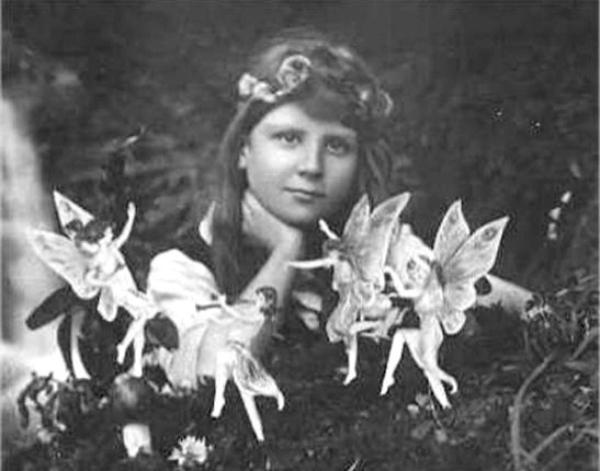
The Fairies Have Left the Building: Enchantment is an Experience, Not a Belief
“Once upon a time Gods and heroes walked the Earth. People encountered dragons and faeries often enough that no one would think of questioning their existence. Most importantly, magic was a part of everyday life. The world was enchanted.”
So begins John Beckett’s recently review of The Myth of Disenchantment: Magic, Modernity and the Birth of the Human Sciences by Jason Josephson-Storm. Josephson-Storm’s thesis is that “Disenchantment is a myth. The majority of people in the heartland of disenchantment believe in magic or spirits today, and it appears that they did so at the high point of modernity. Education does not directly result in disenchantment.”
In his review, Beckett briefly discusses belief in the supernatural among icons of modernity like Freud and concludes that, rather than “reenchanting the world”, we need “to maintain our commitment to the enchanted lives we already have”, by which he seems to mean: Keep on believing in magic … and apparently fairies and dragons too. Continue reading “The Fairies Have Left the Building: Enchantment is an Experience, Not a Belief”
Escaping the Otherworld: The Reenchantment of Paganism
“There is another world and it is this one.”
— attributed to the French surrealist and communist poet, Paul Éluard
Continue reading “Escaping the Otherworld: The Reenchantment of Paganism”